The Science of Light: How Illumination Shapes Mood and Perception
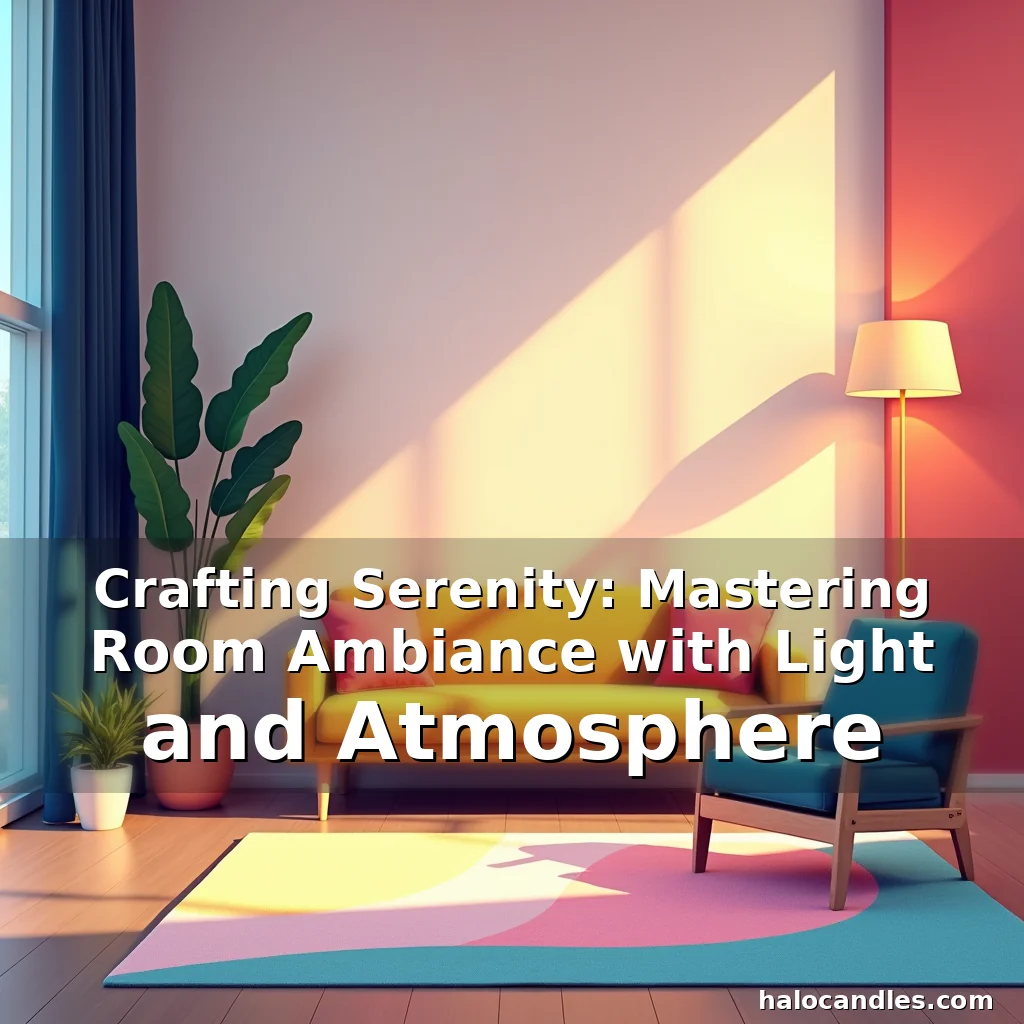
Light is the cornerstone of ambiance. It dictates whether a room feels vibrant and energizing or calm and introspective. Natural light during the day floods spaces with vitality, while strategically placed artificial light can mimic its effects, even at night. However, the type, intensity, and directionality of light matter greatly. Warm-toned bulbs cast golden hues that evoke coziness, whereas cool whites lend clarity and alertness. Understanding these nuances empowers you to tailor your environment to suit your needs, whether it’s focusing on productivity, relaxation, or social interaction.
- Layer Your Lighting: Combine overhead lights, table lamps, and floor lamps to achieve balanced illumination. Task lighting (like desk lamps) ensures functionality, while ambient lighting creates a base glow, and accent lighting highlights architectural features or decor.
- Dimmers Are Your Best Friend: Install dimmer switches to control brightness levels dynamically. A softly lit room invites intimacy, while brighter settings enhance concentration. Pair dimmable LED strips with HaloCandles’ flickering flame technology for a realistic, immersive effect.
- Leverage Color Temperature: Choose bulbs with Kelvin ratings suited to your goals. Lower temperatures (2700K–3000K) emit warm, amber light ideal for evenings, while higher temps (4000K–6500K) offer crisp, daylight-like brilliance for daytime tasks.
For example, a living room designed for movie nights benefits from recessed ceiling lights paired with a Himalayan salt lamp to diffuse gentle, indirect light. Conversely, a home office thrives under task-oriented lighting with minimal glare, ensuring eye comfort during prolonged work sessions.
Scent as Soul: Harnessing Fragrance to Elevate Ambiance
If light is the skeleton of ambiance, fragrance is its heartbeat. Scents have profound psychological impacts, triggering memories, influencing stress levels, and even affecting physiological responses. HaloCandles understands this deeply, crafting premium candles infused with essential oils and natural waxes to deliver aromatic experiences that resonate emotionally. From the calming embrace of jasmine to the invigorating zest of citrus blends, the right scent can instantly shift the tone of a room.
Research shows that certain fragrances activate specific brain regions linked to emotion and memory. Lavender, for instance, reduces anxiety, while peppermint boosts mental sharpness. Incorporating these into your space transforms it into a multi-sensory sanctuary. Consider placing a soy-based candle near a reading nook for a soothing retreat or diffusing eucalyptus oil in a yoga studio to enhance mindfulness practice.
The Art of Layering Scents
Ambient aroma isn’t limited to candles alone. Diffusers, incense, and even plants contribute layers of olfactory richness. To prevent overpowering the senses, adhere to the rule of thumb: less is more. Start with a single dominant scent, then introduce subtler notes through accessories like woven baskets filled with dried herbs or essential oil reeds. Remember, fragrance diffusion varies by room size and ventilation, so test placements carefully before finalizing arrangements.
Seasonal shifts also call for scent adjustments. During colder months, rich spices like cinnamon and clove evoke warmth, while lighter florals like chamomile and orange blossom refresh summer spaces. By aligning your fragrance choices with environmental cues, you reinforce harmony in your ambiance.
Hues of Harmony: The Psychology Behind Color Choices
Colors wield immense power in shaping perceptions. They subconsciously signal safety, excitement, or tranquility, making them critical to ambiance design. While bold statements grab attention, muted tones often foster serenity—a principle embraced by minimalist interiors and spa-inspired décor. However, the effectiveness of color depends on context, cultural associations, and individual preferences, requiring careful curation.
Warm Neutrals: Beige, cream, and sand hues create welcoming atmospheres, particularly beneficial in high-traffic areas like entryways or kitchens. These colors absorb light gracefully, preventing stark contrasts that strain the eyes.
Cool Tones: Blues and greens bring calmness, making them ideal for bedrooms or meditation corners. A cerulean wall behind a sofa can anchor a room, while sage-green curtains infuse a bathroom with freshness.
Vibrant Accents: Introduce pops of color through decorative objects—think a crimson throw pillow beside neutral upholstery or a mustard-yellow ceramic vase on a coffee table. Such accents inject personality without disrupting overall cohesion.
Textures and Materials: Adding Depth Through Touch
Beyond visual appeal, the tactile qualities of materials enrich ambiance. Rough-hewn wood, plush velvets, and smooth ceramics invite exploration, grounding occupants physically and mentally. Textural diversity prevents monotony, guiding the gaze and fingers alike toward intriguing interactions.
Rough Surfaces: Exposed brick walls, concrete planters, or jute rugs add rustic charm, evoking earthy authenticity. These elements contrast nicely with sleek finishes, creating visual tension that sparks curiosity.
Soft Fabrics: Throw blankets, knitted throws, and silk draperies amplify comfort, transforming utilitarian seating into cozy nests. In colder climates, layered textiles not only insulate but also elevate aesthetic value through pattern variety.
Metallic Accents: Brass fixtures, chrome vases, or copper cookware reflect light subtly, adding dimensionality without clashing with other styles. Balance metallic touches with matte surfaces to avoid overwhelming the eye.
The Soundtrack of Space: Curating Acoustic Environments
While often overlooked, auditory elements significantly influence ambiance. Background noises—whether mechanical hums from appliances or distant traffic—can disrupt serenity, whereas curated soundscapes enhance immersion. Whether you crave silence or symphonic accompaniment, intentional acoustic management turns ordinary rooms into extraordinary experiences.
Noise Reduction Techniques: Minimize unwanted disturbances by sealing gaps around doors, installing thick curtains, and opting for carpets instead of hard flooring. Double-glazed windows further isolate external sounds, preserving inner peace.
Background Music: Curated playlists or ambient recordings set the mood. Classical melodies soothe the mind, while lo-fi beats aid focus. Smart speakers with voice assistants allow hands-free control, adapting tracks to current activities seamlessly.
Nature Sounds: Wind chimes, rainsticks, or recordings of ocean waves integrate organic rhythms into daily life, mimicking the restorative effects of outdoor environments indoors.
Furniture Arrangement: Flow and Functionality
How furniture is positioned determines spatial dynamics. Cluttered layouts breed chaos, while thoughtfully arranged setups encourage ease of movement and conversation. Ergonomics remain paramount, ensuring comfort during extended stays, but aesthetics shouldn’t be sacrificed in pursuit of utility.
Zoning Strategies: Divide large rooms into distinct zones via area rugs, partition screens, or modular sofas. Define dining, lounging, and entertainment areas separately to optimize functionality without sacrificing open feel.
Circulation Pathways: Leave sufficient clearance between furniture units (at least 30 inches wide) to facilitate unhindered passage. Avoid obstructing doorways or window sills, which hinder accessibility and compromise spatial flow.
Focal Points: Anchor each zone with striking elements—such as a statement mirror above a fireplace mantel or a sculptural centerpiece atop a console table—to draw attention naturally and unify disparate parts harmoniously.
Personal Expression: Infusing Identity Into Spaces
Your room is an extension of self, reflecting values, passions, and aspirations. Rather than adhering rigidly to trends, prioritize items that ignite joy upon seeing them. Personalized artifacts—the framed photograph of family adventures, handmade pottery gifted by loved ones, vintage records collecting dust on shelves—all contribute meaningfully to ambient narratives.
Artwork Selection: Choose paintings or prints whose themes resonate emotionally. Abstract landscapes may inspire contemplation, while photorealistic portraits provoke nostalgia. Rotate collections periodically to match evolving tastes without feeling stagnant.
Decorative Objects: Display trinkets acquired from travel or DIY projects, allowing stories behind them to unfold visually. Group similar items together, arranging them deliberately according to scale, texture, and form for cohesive visual symmetry.
Memorable Moments: Capture fleeting moments through photography or journal entries displayed proudly in frames. These ephemeral recollections evolve into lasting reminders of cherished times spent within your sanctuary.
Seasonal Transitions: Adapting Ambiance Throughout the Year
As seasons change, so do our desires regarding indoor environments. What felt refreshing in spring may demand extra insulation come winter. Recognizing these cyclical patterns enables proactive adjustments maintaining year-round comfort and beauty.
Spring & Summer: Opt for airy fabrics like linen or cotton, incorporating pastel shades reminiscent of blooming flowers outside. Maximize sunlight exposure by rearranging furniture away from south-facing windows, enabling optimal solar gain during shorter days.
Fall & Winter: Switch to heavier materials—wool throws, faux fur pillows—and adopt darker, richer tones. Add firewood or electric fireplaces to simulate hearthside warmth traditionally associated with cold weather.
Transitional Periods: Bridge seasonal changes gradually, introducing new additions incrementally rather than abruptly switching entirely. This approach preserves continuity while allowing gradual adaptation to shifting climatic conditions.
Technology Integration: Enhancing Comfort Without Compromise
Modern advancements enable smarter, more responsive environments. From automated blinds adjusting shade levels automatically to AI-powered thermostats learning preferred temperatures, tech integration enhances livability without detracting from traditional elegance sought by HaloCandles patrons.
Smart Home Devices: Voice-controlled systems streamline routine tasks—from setting timers on candles to regulating humidity levels via connected humidifiers—allowing seamless operation focused solely on enjoyment rather than upkeep.
Energy Efficiency: LED lighting consumes far less electricity compared to conventional alternatives, coupled with longer lifespans reducing replacement frequency. Similarly, modern HVAC units boast improved efficiency metrics ensuring lower operational costs over time.
Integrated Systems: Whole-house automation platforms consolidate controls for lighting, climate, security, and entertainment into unified interfaces accessible remotely. Such capabilities empower users to customize experiences exactly as desired anytime, anywhere.
Conclusion: Crafting Timeless Rooms Through Mindful Design
Mastering room ambiance requires attention to multiple facets—from illuminating choices to atmospheric scents, textual gradients, auditory backgrounds, functional layouts, expressive ornaments, temporal adaptations, technological enhancements. Each element contributes uniquely towards cultivating spaces conducive to flourishing existence. As members of the HaloCandles community, embracing these principles means unlocking greater potential for creating havens that nurture body, mind, and spirit simultaneously.
Remember, perfection isn’t always required; experimentation fuels discovery. Test various configurations until finding what resonates personally. Embrace imperfections found organically because authenticity often proves most captivating. Ultimately, true mastery lies not merely in following guidelines outlined herein but in developing intuitive sensibilities attuned specifically to your own definition of ideal living spaces—one flicker at a time.

news is a contributor at HaloCandles. We are committed to providing well-researched, accurate, and valuable content to our readers.